
Showing posts with label SEO. Show all posts
Showing posts with label SEO. Show all posts
Thursday, 2 January 2014
0
Thursday, 2 January 2014
read more
Top 10 Traffic Techniques for 2014
As a website or blog owner, without traffic you will not survive!
There are numerous ways both online and offline, to draw traffic to your website. Some ways are of course, more effective than others. Some techniques have improved over the years and some have become obsolete.
Must See: 5 Strategies for Search Engine Optimization
With the average conversion rate of ecommerce sites being about 3%, you will need a lot of traffic to become successful. Of course, everyone's idea of success is different. One webmaster might strive for 100 visitors a day while others might need 10,000 to make their business work. Whatever your goal number may be, you cannot escape the need for traffic.

As this is year 2014, we need to employ the most effective methods available to reach our goal traffic number. Below are some of the best techniques available online to bring forth that traffic we need for our internet business survival!
1. Social Media - Since social media has exploded onto the worldwide web, the flames have gotten hotter and hotter. To be successful with social media marketing, you need to participate consistently. This cannot be a now and then project. You must commit fully to your social media campaign. Be sure to fill out your profiles completely. I see so many people with blank profile pages. This will not propel your marketing efforts.
Facebook - The most visited social media page. Be sure to get involved and do what you can do engage your followers and friends.
Twitter - Connect with your followers. Respond to them and address them regularly. Don't just tweet ads and sales pitches.
Pinterest - Pinterest is a very visual social site so be sure to use effective images and photos.
Google+ - Take advantage of all the great features provided!
2. Content Marketing - Write informative articles and use them as guest posts on blogs, submit them to Ezine publishers and prominent business or other appropriate websites. People pay attention to good content and it will bring those people to your site.
3. Blog Commenting - Post relevant comments with substance. Don't just type in "Me too" or "I agree". Add facts, resources, etc. to get more people to become interested in what you have to say. When people pay attention to what you say and become interested, they will also become interested in you and your business.
4. Search Engines - Search engines are always changing. What worked last year might not work this year so keep up with the search engines and make any necessary adjustments to your website. Keep in mind that no matter the changes, good content will always bring results. Update your content regularly and keep your site fresh!
5. Newsletter - Publishing a newsletter is still a powerful way to get traffic and increase sales. Make your newsletter interactive and build a foundation with your readers. Feature a FAQ section or offer a weekly contest. Add some fun and personality to your newsletter but do not add anything inappropriate or offensive.
6. Blogging - If you still do not have a blog, you should definitely consider adding a blog to your marketing agenda. Blogs are more likely to place high in the search engines. An active, content-filled blog will bring you a ton of traffic.
7. Podcasting - A podcast is simply a digital file made available for download to numerous devices. Podcasting is becoming very popular and can do a lot for your traffic numbers. Create a podcast that deals with your business niche. Add your website link several times to get people to visit your site.
8. Mobile Marketing - More and more people are going mobile with the internet. You have to keep up and be sure your website is mobile-friendly. Gear your marketing towards mobile users. The need for mobile marketing will dramatically increase in 2014!
9. Interviews - Interviewing an expert in your field could bring you a lot of free traffic. If this person is well-known and respected, many people will be searching for this person and your website will become more popular.
10. Video Marketing - People are visual creatures. Our brains process visual information much more efficiently then plain text. 90% of online shoppers say that watching a video will influence their decision to buy. If you have not yet started dabbling in video marketing, then 2014 is the year to get started!
Some of the older marketing methods such as safelists, free classifieds, banner advertising, webrings and mass email (spam) marketing are just not very effective and some could even result in problems for you.
Keep an eye on new marketing trends to ensure you are taking advantage of the best marketing tactics available to bring the most traffic to your site. Much success to you!
Also See:
Source: [Ezine]
There are numerous ways both online and offline, to draw traffic to your website. Some ways are of course, more effective than others. Some techniques have improved over the years and some have become obsolete.
Must See: 5 Strategies for Search Engine Optimization
With the average conversion rate of ecommerce sites being about 3%, you will need a lot of traffic to become successful. Of course, everyone's idea of success is different. One webmaster might strive for 100 visitors a day while others might need 10,000 to make their business work. Whatever your goal number may be, you cannot escape the need for traffic.
As this is year 2014, we need to employ the most effective methods available to reach our goal traffic number. Below are some of the best techniques available online to bring forth that traffic we need for our internet business survival!
1. Social Media - Since social media has exploded onto the worldwide web, the flames have gotten hotter and hotter. To be successful with social media marketing, you need to participate consistently. This cannot be a now and then project. You must commit fully to your social media campaign. Be sure to fill out your profiles completely. I see so many people with blank profile pages. This will not propel your marketing efforts.
Facebook - The most visited social media page. Be sure to get involved and do what you can do engage your followers and friends.
Twitter - Connect with your followers. Respond to them and address them regularly. Don't just tweet ads and sales pitches.
Pinterest - Pinterest is a very visual social site so be sure to use effective images and photos.
Google+ - Take advantage of all the great features provided!
2. Content Marketing - Write informative articles and use them as guest posts on blogs, submit them to Ezine publishers and prominent business or other appropriate websites. People pay attention to good content and it will bring those people to your site.
3. Blog Commenting - Post relevant comments with substance. Don't just type in "Me too" or "I agree". Add facts, resources, etc. to get more people to become interested in what you have to say. When people pay attention to what you say and become interested, they will also become interested in you and your business.
4. Search Engines - Search engines are always changing. What worked last year might not work this year so keep up with the search engines and make any necessary adjustments to your website. Keep in mind that no matter the changes, good content will always bring results. Update your content regularly and keep your site fresh!
5. Newsletter - Publishing a newsletter is still a powerful way to get traffic and increase sales. Make your newsletter interactive and build a foundation with your readers. Feature a FAQ section or offer a weekly contest. Add some fun and personality to your newsletter but do not add anything inappropriate or offensive.
6. Blogging - If you still do not have a blog, you should definitely consider adding a blog to your marketing agenda. Blogs are more likely to place high in the search engines. An active, content-filled blog will bring you a ton of traffic.
7. Podcasting - A podcast is simply a digital file made available for download to numerous devices. Podcasting is becoming very popular and can do a lot for your traffic numbers. Create a podcast that deals with your business niche. Add your website link several times to get people to visit your site.
8. Mobile Marketing - More and more people are going mobile with the internet. You have to keep up and be sure your website is mobile-friendly. Gear your marketing towards mobile users. The need for mobile marketing will dramatically increase in 2014!
9. Interviews - Interviewing an expert in your field could bring you a lot of free traffic. If this person is well-known and respected, many people will be searching for this person and your website will become more popular.
10. Video Marketing - People are visual creatures. Our brains process visual information much more efficiently then plain text. 90% of online shoppers say that watching a video will influence their decision to buy. If you have not yet started dabbling in video marketing, then 2014 is the year to get started!
Some of the older marketing methods such as safelists, free classifieds, banner advertising, webrings and mass email (spam) marketing are just not very effective and some could even result in problems for you.
Keep an eye on new marketing trends to ensure you are taking advantage of the best marketing tactics available to bring the most traffic to your site. Much success to you!
Also See:
- How to Increase Your Organic and Social Media Visitors
- 5 Wordpress Plugins to Increase Blog Traffic
- 10 Steps to Successful Blogging
Source: [Ezine]
Sunday, 30 June 2013
0
Sunday, 30 June 2013
read more
5 Don'ts SEO Tips for Bloggers
There are may Search Engine Optimization(SEO) tips that you can follow to boost your blog traffic and ranking is SERPs. Also there are specific things you need to avoid content gets the traffic and ranking it deserves. Let's take a look at Top 5 Dont's SEO Tips.

1. Keyword Stuffing
Keyword Stuffing is considered to be an unethical search engine optimization (SEO) technique, which leads to banning a website from major search engines either temporarily or permanently. Keyword stuffing occurs when a web page is loaded with keywords in the meta tags or in content of a web page. The repetition of words in meta tags may explain why many search engines no longer use these tags.
Keyword stuffing had been used in the past to obtain top search engine rankings and visibility for particular phrases. This method is completely outdated and adds no value to rankings today. In particular, Google no longer gives good rankings to pages employing this technique.
2. Hidden Keywords and Hidden Texts
When it comes to search engine optimization, you can't hide from the search engine spiders. Hidden text is not visible to the human eye, yet is still readable by search engine spiders. Webmasters mistakenly believe they can stuff their keywords and keyword phrases in the hidden text to increase their keyword density and improve their rankings - without the search engine spiders ever detecting it.
Search engines won't tolerate unethical search engine optimization practices and will penalize sites that adopt such tactics. Rather than wasting your time and energy with spam tactics, focus your efforts on creating a site that employs ethical search engine optimization strategies, including keyword-rich content, linking campaigns, and effective website usability.
Google Says "Hiding text or links in your content to manipulate Google’s search rankings can be seen as deceptive and is a violation of Google’s Webmaster Guidelines."
3. Duplicate Content
Duplicate content is a term used to describe content that appears on more than one web page in the field of search engine optimization. When there are multiple pieces of identical content on the Internet, it is difficult for search engines to decide which version is more relevant to a given search query. Search engines such as Google can penalize or cease displaying that site in any relevant search results.
4. No Original Content
Avoid publishing content on your blog that includes a page filled with tonnes of ads or links with little or no original content. That's a big spam flag for search engines and search engine cease displaying that page in any relevant search results.
5. Publishing Paid Links or Paying for Links
Your site's search results ranking is partly based on analysis of those sites that link to you. The quality, quantity, and relevance of links influences your ranking. The sites that link to you can provide context about the subject matter of your site, and can indicate its quality and popularity.
When people pay for links, it artificially influence their popularity in search engines. In an effort to crack down on paid links and reduce this artificial popularity influence, sites that pay for links and sites that publish links that have been paid for could be punished if they're caught.
What Google Says About Link Schemes?
"Any links intended to manipulate a site's ranking in Google search results may be considered part of a link scheme. This includes any behavior that manipulates links to your site, or outgoing links from your site. Manipulating these links may affect the quality of our search results, and as such is a violation of Google’s Webmaster Guidelines."
Like Us On Facebook and stay updated with latest tips and tricks.

1. Keyword Stuffing
Keyword Stuffing is considered to be an unethical search engine optimization (SEO) technique, which leads to banning a website from major search engines either temporarily or permanently. Keyword stuffing occurs when a web page is loaded with keywords in the meta tags or in content of a web page. The repetition of words in meta tags may explain why many search engines no longer use these tags.
Keyword stuffing had been used in the past to obtain top search engine rankings and visibility for particular phrases. This method is completely outdated and adds no value to rankings today. In particular, Google no longer gives good rankings to pages employing this technique.
2. Hidden Keywords and Hidden Texts
When it comes to search engine optimization, you can't hide from the search engine spiders. Hidden text is not visible to the human eye, yet is still readable by search engine spiders. Webmasters mistakenly believe they can stuff their keywords and keyword phrases in the hidden text to increase their keyword density and improve their rankings - without the search engine spiders ever detecting it.
Search engines won't tolerate unethical search engine optimization practices and will penalize sites that adopt such tactics. Rather than wasting your time and energy with spam tactics, focus your efforts on creating a site that employs ethical search engine optimization strategies, including keyword-rich content, linking campaigns, and effective website usability.
Google Says "Hiding text or links in your content to manipulate Google’s search rankings can be seen as deceptive and is a violation of Google’s Webmaster Guidelines."
3. Duplicate Content
Duplicate content is a term used to describe content that appears on more than one web page in the field of search engine optimization. When there are multiple pieces of identical content on the Internet, it is difficult for search engines to decide which version is more relevant to a given search query. Search engines such as Google can penalize or cease displaying that site in any relevant search results.
4. No Original Content
Avoid publishing content on your blog that includes a page filled with tonnes of ads or links with little or no original content. That's a big spam flag for search engines and search engine cease displaying that page in any relevant search results.
5. Publishing Paid Links or Paying for Links
Your site's search results ranking is partly based on analysis of those sites that link to you. The quality, quantity, and relevance of links influences your ranking. The sites that link to you can provide context about the subject matter of your site, and can indicate its quality and popularity.
When people pay for links, it artificially influence their popularity in search engines. In an effort to crack down on paid links and reduce this artificial popularity influence, sites that pay for links and sites that publish links that have been paid for could be punished if they're caught.
What Google Says About Link Schemes?
"Any links intended to manipulate a site's ranking in Google search results may be considered part of a link scheme. This includes any behavior that manipulates links to your site, or outgoing links from your site. Manipulating these links may affect the quality of our search results, and as such is a violation of Google’s Webmaster Guidelines."
Like Us On Facebook and stay updated with latest tips and tricks.
Thursday, 20 June 2013
0
Thursday, 20 June 2013
read more
5 Strategies for Search Engine Optimization
Search Engine Optimization (SEO) is very important tool to make your site visible to search engines. Your success with SEO can determine how much traffic your site will generate. Your web site can rank higher in the search engine results if you employ the correct SEO strategies. The higher your web site is displayed in the search engine results, the more likely you will get large volumes of traffic directed to your website. You can use keywords, keyword phrases, content, website directories, links and your blog to enhance your SEO.

1. Keywords and Keyword Phrases
You need to make sure that you use relevant keywords and keyword phrases in your web content. You should use the Google Keyword Tool to determine what keywords people in your niche are searching for. This tactic will increase your chances of being found. If your website shows up high in the search engine rankings, then you will get a lot of traffic to your site. Most people never go past the second page of the search results. Also, make sure your keywords are contained in your headings and sub-headings.
2. Content
You must have high quality, unique, fresh content on your website. You should be updating the content on your website on a regular basis. Having fresh content will increase your chances of getting indexed by the search engines on a regular basis. Also, if you update your content regularly, people will come back to your website on a regular basis because they know they can always find new content.
3. Website Directories
You can submit your website to the website directories. I would caution you about how effective this technique is these days. Some of the directories have been banned or devalued due to the Google updates. If you do find a good directory, it can increase your website's visibility with the search engines.
4. Links
Links to other relevant websites can increase your SEO. Link building needs to be natural. Do not buy links or link to content that is not relevant. This will actually hurt your search engine rankings. You can create natural links by submitting articles to the article directories, participating and commenting in relevant forums and commenting on blogs. If the forum allows you to include your website URL as part of your signature, then definitely take advantage of this.
5. Blog
Having a blog that contains keywords and keyword phrases related to your niche will also increase your SEO. Your blog should also be updated on a regular basis. If you are adding content on a regular basis, your visitors will come back often. Also, the search engines will come often to index your blog.
Also See :
If you use all of these strategies, then you will increase your website ranking with the search engines. You will start to see more and more traffic coming to your website. Like Us On Facebookse and stay updated with latest tips and tricks.

1. Keywords and Keyword Phrases
You need to make sure that you use relevant keywords and keyword phrases in your web content. You should use the Google Keyword Tool to determine what keywords people in your niche are searching for. This tactic will increase your chances of being found. If your website shows up high in the search engine rankings, then you will get a lot of traffic to your site. Most people never go past the second page of the search results. Also, make sure your keywords are contained in your headings and sub-headings.
2. Content
You must have high quality, unique, fresh content on your website. You should be updating the content on your website on a regular basis. Having fresh content will increase your chances of getting indexed by the search engines on a regular basis. Also, if you update your content regularly, people will come back to your website on a regular basis because they know they can always find new content.
3. Website Directories
You can submit your website to the website directories. I would caution you about how effective this technique is these days. Some of the directories have been banned or devalued due to the Google updates. If you do find a good directory, it can increase your website's visibility with the search engines.
4. Links
Links to other relevant websites can increase your SEO. Link building needs to be natural. Do not buy links or link to content that is not relevant. This will actually hurt your search engine rankings. You can create natural links by submitting articles to the article directories, participating and commenting in relevant forums and commenting on blogs. If the forum allows you to include your website URL as part of your signature, then definitely take advantage of this.
5. Blog
Having a blog that contains keywords and keyword phrases related to your niche will also increase your SEO. Your blog should also be updated on a regular basis. If you are adding content on a regular basis, your visitors will come back often. Also, the search engines will come often to index your blog.
Also See :
- Ways to Improve Your Alexa Ranking
- How to Increase Your Organic and Social Media Visitors
- 5 Ways to Boost Website Traffic
If you use all of these strategies, then you will increase your website ranking with the search engines. You will start to see more and more traffic coming to your website. Like Us On Facebookse and stay updated with latest tips and tricks.
Saturday, 1 June 2013
0
Saturday, 1 June 2013
read more
How to Increase Your Organic and Social Media Visitors
Website traffic is the best way to monitor your website performance, it tells you how your website is performing on internet. We could partly measure the success of a website through the average amount of visitors that your website is receiving on a monthly, weekly and daily basis. This is additionally the most effective way to puzzle out if your promoting strategy is effective and giving your web site the most effective results.

We all understand that to increase our organic visitors, we should often conduct totally different off-page and on-page techniques for our web site to assist search engine index our pages that will drive massive traffic. We should focus on the following on page optimization to properly help our web site stand out in Search Engine Results Page(SERP).
To easily understand what the four strategies mentioned above, a photograph of a sample SERP is attached on this post.
Remember that if your web site doesn’t seem within the first page of SERPs, the possibilities that your organic visitors can increase is unquestionably bitty. However, if you conduct a method to assist a website receive juice from different domains, you can undoubtedly stand go into your competitors and therefore the possibilities that your web site can seem in first page can get higher. You should focus on non-traditional ways to help your website gain its authority online by doing :
By using the above mentioned strategies will help you acquiring high quality links from reputed websites, this will surely increase your SERP position and increase your organic visitors.
On other hand, we should pay attention to get visitors from Social Media. Internet marketers are aware that social media promotions can positively help a web site to become popular and obtain famed by many folks at intervals your targeted niche. Websites like Twitter, Facebook, LinkedIn and Google+ are very common and popular for many individuals everywhere the world so no business is in a position to miss the opportunities that they'll give. Traffic from social media web sites typically takes time to totally develop and not everybody are going to be interested to go and visit your website simply because you're all connected on social media. There are few ways that you must apply to boost the social media traffic coming to your website.
Having sufficient and enough number of organic and referral visitors will decide how your website is performing in terms of popularity.
Also See :
Any doubt, feel free to ask. Likes Us On Facebook to stay updated with latest tips and tricks.
We all understand that to increase our organic visitors, we should often conduct totally different off-page and on-page techniques for our web site to assist search engine index our pages that will drive massive traffic. We should focus on the following on page optimization to properly help our web site stand out in Search Engine Results Page(SERP).
- Title Optimization : The page title is what is displayed in the title bar of your browser window. This is the one place on a web page where your keywords MUST be present. Correct use of keywords in the title of every page of your website is extremely important to Google. "The title shouldn't consist of much more than about 9 words or 60 characters, with your keywords used at the very beginning of the title."
- Keywords Placement : Once you choose keywords that are related to your website, there are a variety of ways that you can use your keyword list strategically to generate traffic. The actual placement of your keyword phrases on your web pages is important. This will help your pages to easily get discovered by search engines.
- URL Rewriting : Rewriting your URL is the best way to tell search engines what your specific page on your web site is that specialize in. For instance, if a page on your web site is that specialize in seo guidelines, its URL should be domain.com/seo-guidelines.
- Internal Links : Internal links are links that go from one page on a domain to a different page on the same domain. They are commonly used in main navigation. These type of links are useful for reasons, they allow visitors to navigate a website and establish information hierarchy for the given website.
To easily understand what the four strategies mentioned above, a photograph of a sample SERP is attached on this post.
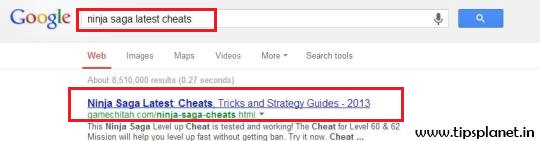
Remember that if your web site doesn’t seem within the first page of SERPs, the possibilities that your organic visitors can increase is unquestionably bitty. However, if you conduct a method to assist a website receive juice from different domains, you can undoubtedly stand go into your competitors and therefore the possibilities that your web site can seem in first page can get higher. You should focus on non-traditional ways to help your website gain its authority online by doing :
- Guest Posting
- Content Marketing
By using the above mentioned strategies will help you acquiring high quality links from reputed websites, this will surely increase your SERP position and increase your organic visitors.
On other hand, we should pay attention to get visitors from Social Media. Internet marketers are aware that social media promotions can positively help a web site to become popular and obtain famed by many folks at intervals your targeted niche. Websites like Twitter, Facebook, LinkedIn and Google+ are very common and popular for many individuals everywhere the world so no business is in a position to miss the opportunities that they'll give. Traffic from social media web sites typically takes time to totally develop and not everybody are going to be interested to go and visit your website simply because you're all connected on social media. There are few ways that you must apply to boost the social media traffic coming to your website.
- Find your target visitors
- Engage in the community
Having sufficient and enough number of organic and referral visitors will decide how your website is performing in terms of popularity.
Also See :
- 5 Ways to Boost Website Traffic
- How and Why Should I Start Building Backlinks?
- 5 Wordpress Plugin to Increase Blog Traffic
Any doubt, feel free to ask. Likes Us On Facebook to stay updated with latest tips and tricks.
Tuesday, 9 April 2013
0
Tuesday, 9 April 2013
read more
Keyword Selection For Search Engine Optimization : SEO
Choosing your primary keywords may be one of the most difficult parts of good SEO. It is also one of the most important element of SEO. When you begin optimizing your website for search engines, you will need to choose one primary keyword or keyword phrase, and four to six secondary keywords.

These keywords are going to be essential later on. You won't just use them for a single page on your website. Instead, they should feature prominently on each page of your website, in any website-related blogs, in any website-related newsletters, and in any website-related press releases.
With that in mind, look for keywords that will stand the test of time. Avoid keywords that are too general; you want targeted keywords for targeted traffic. But don't swerve to the opposite extreme; a keyword is no good if it's something so specific that no one would ever search for it.
Your secondary keywords can be a little more flexible than your primary keyword or keyword phrase. Pick the words people are most likely to use when searching for your product or information. You should ideally have between four and six secondary keywords, but if necessary, pick as many as ten. Don't go above ten, as too many keywords end up diluting the importance of any of your keywords.
Look for a blend of general and specific secondary keywords. Better yet, make one or two of them keyphrases, such as "handcrafted knit scarves" that blend the specifics of the three words together with the generalness of each individual word.
Once you have your keywords, don't limit them to just your website. Use your primary keyword phrase every time you link to your website, in blogs, in newsletters, and in RSS feeds. Don't overlook relevant forum signatures! The right keywords, used in the right way, can be invaluable.
Like Us On Facebook and stay updated with latest tips and tricks.

These keywords are going to be essential later on. You won't just use them for a single page on your website. Instead, they should feature prominently on each page of your website, in any website-related blogs, in any website-related newsletters, and in any website-related press releases.
With that in mind, look for keywords that will stand the test of time. Avoid keywords that are too general; you want targeted keywords for targeted traffic. But don't swerve to the opposite extreme; a keyword is no good if it's something so specific that no one would ever search for it.
Your secondary keywords can be a little more flexible than your primary keyword or keyword phrase. Pick the words people are most likely to use when searching for your product or information. You should ideally have between four and six secondary keywords, but if necessary, pick as many as ten. Don't go above ten, as too many keywords end up diluting the importance of any of your keywords.
Look for a blend of general and specific secondary keywords. Better yet, make one or two of them keyphrases, such as "handcrafted knit scarves" that blend the specifics of the three words together with the generalness of each individual word.
Once you have your keywords, don't limit them to just your website. Use your primary keyword phrase every time you link to your website, in blogs, in newsletters, and in RSS feeds. Don't overlook relevant forum signatures! The right keywords, used in the right way, can be invaluable.
Like Us On Facebook and stay updated with latest tips and tricks.
Wednesday, 20 March 2013
0
Wednesday, 20 March 2013
read more
5 Ways To Boost Website Traffic
Getting traffic is one of the most important tasks for any web master. There are several methods available out there to boost website traffic and should be given all credit. Once you have understood these SEO strategies, it will boost your traffic. If you can't afford spending time, you will have to go the other way around and spend money. For the first situation, here is what you can do. Here come's 5 free ways to boost website traffic :

1. Exchange Links
With the link exchange method you get to swap links with other relevant websites, and this comes with two advantages: you get more traffic and you get a better search engine ranking. When search engines find your site to be connected to other good ones, it places more emphasis on it. Inbound links should come only from high-quality websites, otherwise they are useless. Also, you may want to work on your link titles to make them enticing.
2. Submit Articles to Directories
You can search online for free articles directories and start to market your site through articles. Website owners are constantly in search of quality articles to include in their content or newsletters. You may let them use your articles, given that they include your site's link at the end. It is a method that guarantees increased traffic.
3. Freebies and Subscriptions
Viewers tend to stay around when you offer them something for free. Such incentive will also encourage them to sign up for receiving a newsletter. Freebies could consist of articles, too - articles which you allow to be used by others along with your link. Also, when a visitor finds, at least, one interesting piece of content on your site, they may want to subscribe. You will then have their email address and send them periodic newsletters. A subscriber is much more likely to return to your website.
4. Remarkable Content
When your content is remarkable, it truly makes an impact. Google doesn't like repetitive things, nor does it fancy stuffing keywords. It may sound simple, but it is not that easy to be interesting. You need to find your niche, to get to what exactly is of interest to a specific audience. Don't try to please everyone, just strive to captivate a certain category. In addition, you can use blogs in your niche to post comments on them and thus place links to your own content to draw visitors in.
5. Keywords and Being Specific
SEO strategies prompt you to insert keywords relevant to your niche in all the appropriate fields, not just the basic content. If you make a blog comment, you can place one or two keywords there. Not sure how to do that? Find extensive documentation or hire a professional to optimize your site.
Also See :
Have Problem in understanding SEO? Drop Comment. Like Us On Facebook and stay updated with latest tips and tricks.

1. Exchange Links
With the link exchange method you get to swap links with other relevant websites, and this comes with two advantages: you get more traffic and you get a better search engine ranking. When search engines find your site to be connected to other good ones, it places more emphasis on it. Inbound links should come only from high-quality websites, otherwise they are useless. Also, you may want to work on your link titles to make them enticing.
2. Submit Articles to Directories
You can search online for free articles directories and start to market your site through articles. Website owners are constantly in search of quality articles to include in their content or newsletters. You may let them use your articles, given that they include your site's link at the end. It is a method that guarantees increased traffic.
3. Freebies and Subscriptions
Viewers tend to stay around when you offer them something for free. Such incentive will also encourage them to sign up for receiving a newsletter. Freebies could consist of articles, too - articles which you allow to be used by others along with your link. Also, when a visitor finds, at least, one interesting piece of content on your site, they may want to subscribe. You will then have their email address and send them periodic newsletters. A subscriber is much more likely to return to your website.
4. Remarkable Content
When your content is remarkable, it truly makes an impact. Google doesn't like repetitive things, nor does it fancy stuffing keywords. It may sound simple, but it is not that easy to be interesting. You need to find your niche, to get to what exactly is of interest to a specific audience. Don't try to please everyone, just strive to captivate a certain category. In addition, you can use blogs in your niche to post comments on them and thus place links to your own content to draw visitors in.
5. Keywords and Being Specific
SEO strategies prompt you to insert keywords relevant to your niche in all the appropriate fields, not just the basic content. If you make a blog comment, you can place one or two keywords there. Not sure how to do that? Find extensive documentation or hire a professional to optimize your site.
Also See :
- 10 Tips To Increase Blog Traffic
- How and Why Should I Start Building Backlinks?
- 5 Wordpress Plugin to Increase Blog Traffic
Have Problem in understanding SEO? Drop Comment. Like Us On Facebook and stay updated with latest tips and tricks.
Thursday, 7 March 2013
0
Thursday, 7 March 2013
read more
Ways to Improve Your Alexa Ranking
Alexa rates how well our blogs or websites are performing and monitors visitor traffic. Its ranking is important mainly because advertisers review its stats when considering which sites to promote their products and services.

How Alexa Rank is Calculated?
The traffic rank is based on three months of aggregated historical traffic data from millions of Alexa Toolbar users and data obtained from other, diverse traffic data sources, and is a combined measure of page views and users (reach). As a first step, Alexa computes the reach and number of page views for all sites on the Web on a daily basis. The main Alexa traffic rank is based on a value derived from these two quantities averaged over time (so that the rank of a site reflects both the number of users who visit that site as well as the number of pages on the site viewed by those users). The three-month change is determined by comparing the site's current rank with its rank from three months ago.
Ways to Improve Alexa Rank :
1. Install Alexa Toolbar
Download and Install the Alexa Tool Bar, set your Blog as a HomePage Alexa rank is determined on the basis of the information collected by the Alexa toolbar. As a webmaster of your blog make a little contribution to your own site for Alexa rank improvement. And also Install Alexa toolbar on all computers which you are in touch.
Download Alexa Toolbar : [CLICK HERE TO DOWNLOAD]
2. Install Alexa Widget in Your Site
Putting Alexa Widget on your blog is really easiest way to increase your Alexa rank. The click on Alexa widget of your blog is count as traffic by Alexa, So it works well in increasing your Alexa rank. If your site is on technology niche, I recommend you to must install Alexa widget in it to improve your Alexa rank.
Install Alexa Widget : [CLICK HERE TO INSTALL]
3. Claim Your Site on Alexa
This is the best way to submit your site information on Alexa. To get full control over your site on Alexa claim your website on Alexa.com by show your site ownership.
4. Update Website Frequently
Apart from writing useful and informative posts, it is important to carry on that good work. Alexa and Google love websites that are regularly updated. So try maintaining a healthy post frequency for your blog or website.
5. Write Review about Alexa
Write a review about Alexa on your blog and link back to Alexa.com. By this way you can increase your Alexa rank.
6. Build Backlinks
Build quality backlinks for your site, comment on Blogs with high PagerRank in the same niche to get a quality backlink. Writing guest post on other high page blogs can also help you to get a higher values back links as well as improve your Alexa rank. Exchanging links with other relevant sites are also helpful for a good Alexa ranking.
7. Write Quality Contents
Writing quality and unique content on your blog is most basic and important factor for search engine traffic and for good Alexa ranking. The better you write on your blog, the more traffic you would get, because good writing always attracts readers. So keep writing quality and unique content.
8. Submit Articles to Forums
Submit your Articles or Posts to some Webmasters Forums, Directory Submission, Social Bookmarking Sites and also share with your friends. This will help you to improve your Alexa Rank.
Follow all steps mentioned above, this will help you to improve your Alexa Rank.
Like Us On Facebook and stay updated with latest tips and tricks.
How Alexa Rank is Calculated?
The traffic rank is based on three months of aggregated historical traffic data from millions of Alexa Toolbar users and data obtained from other, diverse traffic data sources, and is a combined measure of page views and users (reach). As a first step, Alexa computes the reach and number of page views for all sites on the Web on a daily basis. The main Alexa traffic rank is based on a value derived from these two quantities averaged over time (so that the rank of a site reflects both the number of users who visit that site as well as the number of pages on the site viewed by those users). The three-month change is determined by comparing the site's current rank with its rank from three months ago.
Ways to Improve Alexa Rank :
1. Install Alexa Toolbar
Download and Install the Alexa Tool Bar, set your Blog as a HomePage Alexa rank is determined on the basis of the information collected by the Alexa toolbar. As a webmaster of your blog make a little contribution to your own site for Alexa rank improvement. And also Install Alexa toolbar on all computers which you are in touch.
Download Alexa Toolbar : [CLICK HERE TO DOWNLOAD]
2. Install Alexa Widget in Your Site
Putting Alexa Widget on your blog is really easiest way to increase your Alexa rank. The click on Alexa widget of your blog is count as traffic by Alexa, So it works well in increasing your Alexa rank. If your site is on technology niche, I recommend you to must install Alexa widget in it to improve your Alexa rank.
Install Alexa Widget : [CLICK HERE TO INSTALL]
3. Claim Your Site on Alexa
This is the best way to submit your site information on Alexa. To get full control over your site on Alexa claim your website on Alexa.com by show your site ownership.
4. Update Website Frequently
Apart from writing useful and informative posts, it is important to carry on that good work. Alexa and Google love websites that are regularly updated. So try maintaining a healthy post frequency for your blog or website.
5. Write Review about Alexa
Write a review about Alexa on your blog and link back to Alexa.com. By this way you can increase your Alexa rank.
6. Build Backlinks
Build quality backlinks for your site, comment on Blogs with high PagerRank in the same niche to get a quality backlink. Writing guest post on other high page blogs can also help you to get a higher values back links as well as improve your Alexa rank. Exchanging links with other relevant sites are also helpful for a good Alexa ranking.
7. Write Quality Contents
Writing quality and unique content on your blog is most basic and important factor for search engine traffic and for good Alexa ranking. The better you write on your blog, the more traffic you would get, because good writing always attracts readers. So keep writing quality and unique content.
8. Submit Articles to Forums
Submit your Articles or Posts to some Webmasters Forums, Directory Submission, Social Bookmarking Sites and also share with your friends. This will help you to improve your Alexa Rank.
Follow all steps mentioned above, this will help you to improve your Alexa Rank.
Like Us On Facebook and stay updated with latest tips and tricks.
Monday, 4 March 2013
0
Monday, 4 March 2013
read more
Link Building For Effective Search Engine Optimization
When you begin the task of acquiring quality and relevant backlinks to your website there are many factors that can increase or decrease your search engine rankings. This article outlines the difference between good and bad backlinks.

A quality backlink pointing to your site should be in the same category and relevant in content to your website. The page where your link is located should be indexed by Google and the page should also have a Google page rank. The webpage where your link is located should also contain no more than 30 other out-going links to other websites. Link pages with more than 30 out-going links are less relevant to the search engines. Having your link posted on this type of webpage can affect your search engine rankings in a negative way. Other excellent techniques of acquiring backlinks are directory submissions, posting articles, blogs and forums.
For directory submissions select the proper directory category and take a look at how many other websites are contained in the category where your link would be posted, if you can manage to get on the first or second page of the listings, this is a quality backlink. Also look at the Google page rank of the landing page for your link. If the page has a Google page rank this is also a quality backlink.
Stay within your category, relevant content is very important to the search engines. Write an article preferably relevant in content to your website and submit the article to high quality article directories. Blogs are an excellent way to get quality one-way backlinks, Blog sites also receive tons of traffic, which in turn give your site more exposure. Posting your link on forum pages is also an efficient method of acquiring backlinks instantly.
Backlinks to avoid would be a zero page ranked webpage, especially if the home page has a zero page rank. Links posted within framed webpages which will also steal your traffic. Especially avoid link farms, webpages which contain more than 100 unrelated outgoing links, This type of link page is frowned upon by many major search engines. Avoid Webpages with mirror sites containing the exact same content with a different URL, also pages that utilize redirects and URL cloaking. Never post your link on a webpage that contains a "no follow" or "no index" robots meta tag within the source code. Dynamic websites with question marks in the URL should be avoided because they are not always indexed by the search engines.
Avoid posting your link on a page that opens very slow or contains mostly ads and flash banners. Try not to aquire or purchase great numbers of backlinks in a short period of time, backlinks should be accumulated gradually. Also avoid webpages and directories that list their results in alphabetical order, as their database increases your link could be moved to a less relevant page with less pagerank. Quality backlinks are one of the most important factors involved in the process of achieving high search engine ranking.
Also See :
Source : [ArticleGeek]
Like Us On Facebook and stay updated with latest SEO Tips and Tricks.

A quality backlink pointing to your site should be in the same category and relevant in content to your website. The page where your link is located should be indexed by Google and the page should also have a Google page rank. The webpage where your link is located should also contain no more than 30 other out-going links to other websites. Link pages with more than 30 out-going links are less relevant to the search engines. Having your link posted on this type of webpage can affect your search engine rankings in a negative way. Other excellent techniques of acquiring backlinks are directory submissions, posting articles, blogs and forums.
For directory submissions select the proper directory category and take a look at how many other websites are contained in the category where your link would be posted, if you can manage to get on the first or second page of the listings, this is a quality backlink. Also look at the Google page rank of the landing page for your link. If the page has a Google page rank this is also a quality backlink.
Stay within your category, relevant content is very important to the search engines. Write an article preferably relevant in content to your website and submit the article to high quality article directories. Blogs are an excellent way to get quality one-way backlinks, Blog sites also receive tons of traffic, which in turn give your site more exposure. Posting your link on forum pages is also an efficient method of acquiring backlinks instantly.
Backlinks to avoid would be a zero page ranked webpage, especially if the home page has a zero page rank. Links posted within framed webpages which will also steal your traffic. Especially avoid link farms, webpages which contain more than 100 unrelated outgoing links, This type of link page is frowned upon by many major search engines. Avoid Webpages with mirror sites containing the exact same content with a different URL, also pages that utilize redirects and URL cloaking. Never post your link on a webpage that contains a "no follow" or "no index" robots meta tag within the source code. Dynamic websites with question marks in the URL should be avoided because they are not always indexed by the search engines.
Avoid posting your link on a page that opens very slow or contains mostly ads and flash banners. Try not to aquire or purchase great numbers of backlinks in a short period of time, backlinks should be accumulated gradually. Also avoid webpages and directories that list their results in alphabetical order, as their database increases your link could be moved to a less relevant page with less pagerank. Quality backlinks are one of the most important factors involved in the process of achieving high search engine ranking.
Also See :
- How and Why Should I Start Building Backlinks?
- 3 Search Engine Optimization Tips for High Search Engine Rankings
- 5 Ways to Get Traffic for Free
Source : [ArticleGeek]
Like Us On Facebook and stay updated with latest SEO Tips and Tricks.
Wednesday, 27 February 2013
0
Wednesday, 27 February 2013
read more
3 Search Engine Optimization Tips For High Search Engine Rankings
Contrary to what you may have heard and assumed, search engine optimization really isn't that difficult. In fact, it’s really only about three things: keywords, content, and linking. If you can get a grasp on those three things then you've come fairly close to mastering search engine optimization. Of course you're safest best is always to use a professional, but if you're interested in doing it yourself then here's what you need to know.

1. Keywords
The Google Keyword Tool is your best friend when it comes to choosing keywords. Simply type in the words or terms you think your target audience will use when searching for products and services similar to yours. Trying using entire phrases instead of single words. Let's say your company sells unicycles. Instead of simply optimization for the word 'unicycles' try optimization for 'buy a unicycle'. The more specific your phrase is, the less competition you will have in optimizing for it. Write down the top three words that you want to optimize for as those will heavily influence your content.
2. Content
Content ranks right up there with links as the most important aspect of your search engine optimization efforts. Content is the key to optimization success. The business of search engines is to provide users with the information they're looking for; otherwise those users will go somewhere else. In order to give users what they're looking for, search engines have to give users webpages that are most relevant to the search terms that they entered. So search engines are looking for pages with the most relevant and helpful information for users. If your website has the most helpful and relevant information about unicycles, then your page will receive a high ranking from Google and will show up on the first page of search engine results, if not in the top spot. So instead of trying to trick the search engines by cramming a lot of keywords into content, simply provide content that will provide your target audience with the information they need about your product or service.
3. Links
Links are key to search engine optimization success. Search engines base their rankings on the number of inbound links to your site from other websites that they consider authoritative in your field. So make sure that your link-building campaign is ongoing. Revisit it every few weeks or so, remembering that you’re never done and that you have to keep building links even when you achieve a high search engine ranking. Your competitors are constantly building their links too. If you stop building yours then you risk losing your top spot.
Also See :
Like Us On Facebook and stay updated with latest tips and tricks.

1. Keywords
The Google Keyword Tool is your best friend when it comes to choosing keywords. Simply type in the words or terms you think your target audience will use when searching for products and services similar to yours. Trying using entire phrases instead of single words. Let's say your company sells unicycles. Instead of simply optimization for the word 'unicycles' try optimization for 'buy a unicycle'. The more specific your phrase is, the less competition you will have in optimizing for it. Write down the top three words that you want to optimize for as those will heavily influence your content.
2. Content
Content ranks right up there with links as the most important aspect of your search engine optimization efforts. Content is the key to optimization success. The business of search engines is to provide users with the information they're looking for; otherwise those users will go somewhere else. In order to give users what they're looking for, search engines have to give users webpages that are most relevant to the search terms that they entered. So search engines are looking for pages with the most relevant and helpful information for users. If your website has the most helpful and relevant information about unicycles, then your page will receive a high ranking from Google and will show up on the first page of search engine results, if not in the top spot. So instead of trying to trick the search engines by cramming a lot of keywords into content, simply provide content that will provide your target audience with the information they need about your product or service.
3. Links
Links are key to search engine optimization success. Search engines base their rankings on the number of inbound links to your site from other websites that they consider authoritative in your field. So make sure that your link-building campaign is ongoing. Revisit it every few weeks or so, remembering that you’re never done and that you have to keep building links even when you achieve a high search engine ranking. Your competitors are constantly building their links too. If you stop building yours then you risk losing your top spot.
Also See :
- How to Get High Rank In Search Engine Results Pages
- How and Why Should I Start Building Backlinks
- 10 SEO Terms You Should Know
Like Us On Facebook and stay updated with latest tips and tricks.
Tuesday, 26 February 2013
0
Tuesday, 26 February 2013
read more
10 SEO Terms You Should Know
If you have a blog or website, or if you work with anything related to the Internet, you’ll certainly need to know a bit about search engine optimization (SEO). SEO stands for Search Engine Optimization and simply refers to the process of making your domain name and website more visible in Search Engines . A good way to get started is to familiarize yourself with the most common SEO terms, and below you’ll find 10 of them.

1. Search Engine Marketing (SEM)
Search Engine Marketing (SEM) involves marketing services or products via search engines. SEM is divided into two main pillars: SEO and PPC. SEO stands for Search Engine Optimization, and it is the practice of optimizing websites to make their pages appear in the organic search results. PPC stands for Pay-Per-Click, and it is the practice of purchasing clicks from search engines. The clicks come from sponsored listings in the search results.
2. Backlink
Links originating from one website and pointing to another website or web page is called backlink. Search Engines see this as a sign that your site must have some useful information as other people and websites are referring to it.
3. Crawler
Also called search bot or spider, it's a computer program that browses the web on behalf of search engines. The crawler will visit your site and analyse its content. They visit your site numerous times and will continue to visit as you make changes and add new content. This is how Search Engines keep their results relevant and up to date.
4. SERP
Stands for Search Engine Results Page. It’s basically the page you’ll get when you search for a specific keyword on Google or on other search engines. The amount of search traffic your website will receive depends on the rankings it will have inside the SERPs.
5. Title Tag
The title tag is literally the title of a web page, and it's one of the most important factors inside Google's search algorithm. It defines the blue link text that you click on in a search result. It also appears in the top of your browser window or tab. Search Engines use the title tag to define what your website is about.
6. Meta Tags
These are supplementary to your title tag. You can have a META description, which briefly describes what the page is about. The META description you set is often seen below the clickable link to your website in the SERPs as a summary. You can also set META keywords to let Search Engines know what terms should be relevant to the page.
7. Keywords
Keywords are those words which is used by search engines to determine the topic of a given web page. Keywords should be used on your site to ensure Search Engines can recognize what that page is about and therefore show that page to the correct searchers.
8. Pagerank
PageRank is an algorithm that Google uses to estimate the relative important of pages around the web. The higher the Pagerank the better. However, do not take this measurement as gospel. There are some low PR sites with great search visibility and some high PR sites with low visibility.
9. Sitemap
A sitemap is just what it sounds like. A map of your site that users and Search Engines can use to navigate your site more easily. It’s great to have a sitemap as it can help Search Engines identify all the pages on your site, some of which otherwise may not have been visited by the crawler.
10. Robots.txt
This is nothing more than a file, placed in the root of the domain, that is used to inform search bots about the structure of the website. For instance, via the robots.txt file it’s possible to block specific search robots and to restrict the access to specific folders of section inside the website.
Also See :
If you have any Question regarding 10 SEO Terms You Should Know, feel free to ask. Like Us On Facebook and stay updated with latest tips and tricks.
1. Search Engine Marketing (SEM)
Search Engine Marketing (SEM) involves marketing services or products via search engines. SEM is divided into two main pillars: SEO and PPC. SEO stands for Search Engine Optimization, and it is the practice of optimizing websites to make their pages appear in the organic search results. PPC stands for Pay-Per-Click, and it is the practice of purchasing clicks from search engines. The clicks come from sponsored listings in the search results.
2. Backlink
Links originating from one website and pointing to another website or web page is called backlink. Search Engines see this as a sign that your site must have some useful information as other people and websites are referring to it.
3. Crawler
Also called search bot or spider, it's a computer program that browses the web on behalf of search engines. The crawler will visit your site and analyse its content. They visit your site numerous times and will continue to visit as you make changes and add new content. This is how Search Engines keep their results relevant and up to date.
4. SERP
Stands for Search Engine Results Page. It’s basically the page you’ll get when you search for a specific keyword on Google or on other search engines. The amount of search traffic your website will receive depends on the rankings it will have inside the SERPs.
5. Title Tag
The title tag is literally the title of a web page, and it's one of the most important factors inside Google's search algorithm. It defines the blue link text that you click on in a search result. It also appears in the top of your browser window or tab. Search Engines use the title tag to define what your website is about.
6. Meta Tags
These are supplementary to your title tag. You can have a META description, which briefly describes what the page is about. The META description you set is often seen below the clickable link to your website in the SERPs as a summary. You can also set META keywords to let Search Engines know what terms should be relevant to the page.
7. Keywords
Keywords are those words which is used by search engines to determine the topic of a given web page. Keywords should be used on your site to ensure Search Engines can recognize what that page is about and therefore show that page to the correct searchers.
8. Pagerank
PageRank is an algorithm that Google uses to estimate the relative important of pages around the web. The higher the Pagerank the better. However, do not take this measurement as gospel. There are some low PR sites with great search visibility and some high PR sites with low visibility.
9. Sitemap
A sitemap is just what it sounds like. A map of your site that users and Search Engines can use to navigate your site more easily. It’s great to have a sitemap as it can help Search Engines identify all the pages on your site, some of which otherwise may not have been visited by the crawler.
10. Robots.txt
This is nothing more than a file, placed in the root of the domain, that is used to inform search bots about the structure of the website. For instance, via the robots.txt file it’s possible to block specific search robots and to restrict the access to specific folders of section inside the website.
Also See :
- 5 Ways To Get Free Traffic
- How and Why Should I Start Building Backlinks?
- Understanding Web Traffic - Pageviews, Hits, Unique Visitor
If you have any Question regarding 10 SEO Terms You Should Know, feel free to ask. Like Us On Facebook and stay updated with latest tips and tricks.
Saturday, 23 February 2013
0
Saturday, 23 February 2013
read more
5 Ways to Get Traffic for FREE
Getting traffic is one of the most important tasks for any web master. What is more, you can't get traffic once and then just reap the benefits. Getting traffic is an ongoing task and you must be constantly doing it, if you want to get traffic and keep it.
Here are 5 ways to get traffic for free -
1. Optimize Your Site For Search Engine
Optimizing your site for search engine is the most important factor in order to get free traffic. Search engines have always been a major way to get traffic for free. That is why you need to do your homework and optimize your site so that it ranks well for the keywords you target. SEO is still the most powerful way to get traffic for free and you really need to invest some time and efforts in the optimization of your site.
2. Update Your Website Frequently
One of the first steps in getting traffic for free is trivial but vital – get great content and frequently update it. In terms of SEO, content is king. If your content is good and frequently updated you will not only build a loyal audience of recurring visitors, who will often come to see what is new, but search engines will also love your site.
3. Take Advantage of Social Bookmarking Site
Social bookmarking is a great way to generate traffic to your website for free. Social bookmarking allows people to save their favorite webpages online. Then people can access their favorite bookmarks from any computer and share them with other people. The bookmarks are easily found through tags – single words that describe a page – making it easy for people to search for similar bookmarks of find bookmarks they have saved.
Submit your post to social bookmarking site such as digg.com, reddit.com, delecious.com etc in order to get traffic for free.
4. Twitter and Facebook
Social networks are also a way to get traffic for free. If you are popular on networks, such as Twitter or Facebook, the traffic you get from there can easily surpass the traffic from Google and the other search engines. It is true that building a large network of targeted followers on Twitter and supporters on Facebook takes a lot of time and effort but generally the result is worth.
5. Get Links from other (Same Niche)
Another way to get traffic for free is from other sites in your niche. Getting links with other sites in your niche is also good for SEO, especially if you manage to get links without the famous nofollow attribute. But even if the links are nofollow (i.e. they are useless for SEO), they still help to get traffic to your site. If you manage to put your link in a visible place on a site with high volumes of traffic, you can get thousands of hits from this link alone.
Also See :
If you have any Question regarding blog traffic feel free to ask. Like Us On Facebook and stay updated with latest tips and tricks.
 |
| Free Traffic |
Here are 5 ways to get traffic for free -
1. Optimize Your Site For Search Engine
Optimizing your site for search engine is the most important factor in order to get free traffic. Search engines have always been a major way to get traffic for free. That is why you need to do your homework and optimize your site so that it ranks well for the keywords you target. SEO is still the most powerful way to get traffic for free and you really need to invest some time and efforts in the optimization of your site.
2. Update Your Website Frequently
One of the first steps in getting traffic for free is trivial but vital – get great content and frequently update it. In terms of SEO, content is king. If your content is good and frequently updated you will not only build a loyal audience of recurring visitors, who will often come to see what is new, but search engines will also love your site.
3. Take Advantage of Social Bookmarking Site
Social bookmarking is a great way to generate traffic to your website for free. Social bookmarking allows people to save their favorite webpages online. Then people can access their favorite bookmarks from any computer and share them with other people. The bookmarks are easily found through tags – single words that describe a page – making it easy for people to search for similar bookmarks of find bookmarks they have saved.
Submit your post to social bookmarking site such as digg.com, reddit.com, delecious.com etc in order to get traffic for free.
4. Twitter and Facebook
Social networks are also a way to get traffic for free. If you are popular on networks, such as Twitter or Facebook, the traffic you get from there can easily surpass the traffic from Google and the other search engines. It is true that building a large network of targeted followers on Twitter and supporters on Facebook takes a lot of time and effort but generally the result is worth.
5. Get Links from other (Same Niche)
Another way to get traffic for free is from other sites in your niche. Getting links with other sites in your niche is also good for SEO, especially if you manage to get links without the famous nofollow attribute. But even if the links are nofollow (i.e. they are useless for SEO), they still help to get traffic to your site. If you manage to put your link in a visible place on a site with high volumes of traffic, you can get thousands of hits from this link alone.
Also See :
- 10 Tips to Increase Blog Traffic
- How and Why Should I Start Building Backlinks?
- Understanding Web Traffic - Pageviews, Hits, Unique Visitor
If you have any Question regarding blog traffic feel free to ask. Like Us On Facebook and stay updated with latest tips and tricks.
Saturday, 16 February 2013
0
Saturday, 16 February 2013
read more
How to Do a Better Search Engine Optimization Than Rest
The problem with search engine optimization(SEO) is that almost all publishers and business owners online are trying it. This should not come as a surprise since SEO is considered as the key in doing well in the eyes of search engines. What this means is that in order to get ahead of the competition, then you must do your SEO much better than rest. This is the only way for you to get ahead with the rest that also take search engine optimization seriously.
Here are some suggestions on how you can out-do your competitors :
1. The most important thing to do is to research the keywords well and to do so use Google Keyword Tool. And when you have identified the keywords for use in the content pages and the site, then its best that you should use the keywords on the right places. The right places include insertions of the keywords on the title tags, the Meta tags and the Alt for images. The links should be properly formatted as well. When using the keywords on the content, it should be kept in mind that there is a science as well in using the keywords. Don't overdo the use of the keywords. Based on the experiences of experienced publishers, the keyword density for content should not exceed 2 percent. Even in terms of keyword placement, there is a rule in doing this. To many, it is best to put the keyword on the title, the first sentence, the second paragraph and on the last sentence.
2. Next up to the identification of keywords is the creation of great and helpful unique content. Users and readers should learn a thing or two about the content that you will provide. The better the content on the site, the higher the chances of being valued well by search engines. Also the contents that are posted on the site should be regularly updated, whether the update is daily or weekly it doesn't actually matter.
Also See :
3. Try creating a Google site map which can be used by the search engine. There is a tool online that can guide you in the creation of the site map
4. Another good move is to publish the articles to article directories and other article submission websites. Now, this article should have links that will point back to your website. This is a good move since search engines like to look at the inward pointing links to the site. The higher the page ranking of the site that points to your site, the better.
5. And finally, it's best if you can read the suggestions offered by Google. The search engine giant has drafted its Webmaster Guidelines, detailing the best practices that should be adopted by anyone wishing to get noticed by Google.
Source : [isnare]
Have Question regarding Search Engine Optimization (SEO) feel free to ask. Like Us On Facebook and stay updated with latest tips and tricks.
Here are some suggestions on how you can out-do your competitors :
1. The most important thing to do is to research the keywords well and to do so use Google Keyword Tool. And when you have identified the keywords for use in the content pages and the site, then its best that you should use the keywords on the right places. The right places include insertions of the keywords on the title tags, the Meta tags and the Alt for images. The links should be properly formatted as well. When using the keywords on the content, it should be kept in mind that there is a science as well in using the keywords. Don't overdo the use of the keywords. Based on the experiences of experienced publishers, the keyword density for content should not exceed 2 percent. Even in terms of keyword placement, there is a rule in doing this. To many, it is best to put the keyword on the title, the first sentence, the second paragraph and on the last sentence.
2. Next up to the identification of keywords is the creation of great and helpful unique content. Users and readers should learn a thing or two about the content that you will provide. The better the content on the site, the higher the chances of being valued well by search engines. Also the contents that are posted on the site should be regularly updated, whether the update is daily or weekly it doesn't actually matter.
Also See :
3. Try creating a Google site map which can be used by the search engine. There is a tool online that can guide you in the creation of the site map
4. Another good move is to publish the articles to article directories and other article submission websites. Now, this article should have links that will point back to your website. This is a good move since search engines like to look at the inward pointing links to the site. The higher the page ranking of the site that points to your site, the better.
5. And finally, it's best if you can read the suggestions offered by Google. The search engine giant has drafted its Webmaster Guidelines, detailing the best practices that should be adopted by anyone wishing to get noticed by Google.
Source : [isnare]
Have Question regarding Search Engine Optimization (SEO) feel free to ask. Like Us On Facebook and stay updated with latest tips and tricks.
Sunday, 10 February 2013
0
Sunday, 10 February 2013
read more
How to Get High Rank In Search Engines Result Pages
Studies have revealed that 90% of Internet users find websites through search engines and out of those users, 90% do not go past the first 30 results displayed. With this in mind it is easy to see why it’s important for your website to rank high in these results. Rank High in search engines result pages (SERPs) means high traffic.
Must See : How and Why Should I Start Building Backlinks?
Search Engine Results Pages (SERP's) are the pages you see after you type in a search on Google or other search engines and click on the Search button. Because 90% of people use search engines to find what they are looking for these SERP’s are the most important pages on the internet.

The Search Engines Result Pages (SERP’s) can be broadly divided into two categories: “Organic” or ”Natural” listings and Paid Advertisements usually bought on a "Pay Per Click" (PPC) basis.
 Roughly 80% of clicks at Google occur within the organic listings not the PPC listings. This is why is it important to get your site to rank naturally in the search engine result pages. Getting your site to rank high is not tricky; it’s just a matter of optimizing your website to be search engine friendly. Search Engine Optimization (SEO) is the process of engineering your website so it can be properly read by the search engine spiders. SEO is pretty much common sense, search engines are text analysis systems so if your webpage is full of images with little text your site will not rank high. You need to target each keyword/phrase on different pages.
The other aspect of getting high SERPs is trust and authority. It is kind of no different than any other business trying to gain trust and a good reputation. Forgetting the cyber world for a moment, in the real world established businesses have much more clout that new start up businesses. Like your favourite restaurant. If a new restaurant opened up just down the street you might not want to chance eating there and stick with your favourite restaurant. Now if you hear that its gaining a good reputation for good food you might then decide to try it out yourself. The same can be said about websites except the trust you get is via an algorithm. The more links you get from already established trusted (authoritive) sites the more Google will trust you. It makes sense really, because a good website will not link to a rubbish or not relevant website.
Another aspect of trust is by doing things with the search engines terms and conditions. This means building links naturally and using keywords excessively. Adding 500 pages in one day is not a naturally progression, search engines like websites to expand naturally, anything else and their warning lights flash which means they might look into your site and possibly penalise it.
So the only way to obtain high SERPs is to do everything the search engines like. This means building websites that are easy to navigate (so users and the crawlers can find every page easily) ,have lots of good relevant interesting content and plenty of trusted links. Make your website the best site on the internet in your chosen niche and you shouldn’t go far wrong.
Source : [isnare]
Stay Tuned with Us for More Tips and Tricks :)
Must See : How and Why Should I Start Building Backlinks?
Search Engine Results Pages (SERP's) are the pages you see after you type in a search on Google or other search engines and click on the Search button. Because 90% of people use search engines to find what they are looking for these SERP’s are the most important pages on the internet.
The Search Engines Result Pages (SERP’s) can be broadly divided into two categories: “Organic” or ”Natural” listings and Paid Advertisements usually bought on a "Pay Per Click" (PPC) basis.
Roughly 80% of clicks at Google occur within the organic listings not the PPC listings. This is why is it important to get your site to rank naturally in the search engine result pages. Getting your site to rank high is not tricky; it’s just a matter of optimizing your website to be search engine friendly. Search Engine Optimization (SEO) is the process of engineering your website so it can be properly read by the search engine spiders. SEO is pretty much common sense, search engines are text analysis systems so if your webpage is full of images with little text your site will not rank high. You need to target each keyword/phrase on different pages.
The other aspect of getting high SERPs is trust and authority. It is kind of no different than any other business trying to gain trust and a good reputation. Forgetting the cyber world for a moment, in the real world established businesses have much more clout that new start up businesses. Like your favourite restaurant. If a new restaurant opened up just down the street you might not want to chance eating there and stick with your favourite restaurant. Now if you hear that its gaining a good reputation for good food you might then decide to try it out yourself. The same can be said about websites except the trust you get is via an algorithm. The more links you get from already established trusted (authoritive) sites the more Google will trust you. It makes sense really, because a good website will not link to a rubbish or not relevant website.
Another aspect of trust is by doing things with the search engines terms and conditions. This means building links naturally and using keywords excessively. Adding 500 pages in one day is not a naturally progression, search engines like websites to expand naturally, anything else and their warning lights flash which means they might look into your site and possibly penalise it.
So the only way to obtain high SERPs is to do everything the search engines like. This means building websites that are easy to navigate (so users and the crawlers can find every page easily) ,have lots of good relevant interesting content and plenty of trusted links. Make your website the best site on the internet in your chosen niche and you shouldn’t go far wrong.
Source : [isnare]
Stay Tuned with Us for More Tips and Tricks :)
Tuesday, 5 February 2013
1
Tuesday, 5 February 2013
read more
How and Why Should I Start Building Backlinks?
The idea behind building backlinks is as simple as trying to get links that point directly to your website. Most people do not understand the concept of this search engine optimization activity. However, if you are aiming to put up new blog or website or some kind of online business, then you should carefully understand the reasons why you should spend some time in building quality backlinks for you website.

The main reason why you need to build backlinks is to get higher traffic in such a way that when people come across your links over the internet, they are most likely to click on them and visit your site. When you are able to reach more people and direct more people to your site, the more likely you get high traffic.
Must See : 3 Basic SEO Tips To Get Started
There are many other reasons on why you should concentrate on how you can effectively build backlinks and among these reasons is for your site to gain higher search engine rankings. Those days are gone when you simply have to put up your site, get a catchy domain name, and put up keyword-rich contents to see your site top the search results. The way that search engine providers such as Google, Bing, and Yahoo! deal with page rankings and search result positions are far more complex now.
It has been a common knowledge that what drives up your popularity and page ranking is the number of quality links that are targeted towards your website. This means that the more links you get, the higher your chances are of being on top of the search results page. However, this does not mean that search engine providers prefer the quantity of links you have rather than the quality of such. In fact, Google and Yahoo generally look into the quality of each link. Simply put, search engines will find your site to be relevant and reliable if popular sites link to you. This does not only pulls your page popularity up, but it also drives more traffic to your site while allowing you to reach more readers and prospect customers in no time.
There are too many ways to build backlinks. You can try finding sites that you like and simply e-mail the webmaster and offer a link exchange. There are also social bookmarking sites like Facebook, Google+ which you can take advantage of. These sites can generate quality links to your site without requiring you to link back to their site as well.
Source : [isnare.com]
Stay Tuned with Us for More Tips and Tricks :)
The main reason why you need to build backlinks is to get higher traffic in such a way that when people come across your links over the internet, they are most likely to click on them and visit your site. When you are able to reach more people and direct more people to your site, the more likely you get high traffic.
Must See : 3 Basic SEO Tips To Get Started
There are many other reasons on why you should concentrate on how you can effectively build backlinks and among these reasons is for your site to gain higher search engine rankings. Those days are gone when you simply have to put up your site, get a catchy domain name, and put up keyword-rich contents to see your site top the search results. The way that search engine providers such as Google, Bing, and Yahoo! deal with page rankings and search result positions are far more complex now.
It has been a common knowledge that what drives up your popularity and page ranking is the number of quality links that are targeted towards your website. This means that the more links you get, the higher your chances are of being on top of the search results page. However, this does not mean that search engine providers prefer the quantity of links you have rather than the quality of such. In fact, Google and Yahoo generally look into the quality of each link. Simply put, search engines will find your site to be relevant and reliable if popular sites link to you. This does not only pulls your page popularity up, but it also drives more traffic to your site while allowing you to reach more readers and prospect customers in no time.
There are too many ways to build backlinks. You can try finding sites that you like and simply e-mail the webmaster and offer a link exchange. There are also social bookmarking sites like Facebook, Google+ which you can take advantage of. These sites can generate quality links to your site without requiring you to link back to their site as well.
Source : [isnare.com]
Stay Tuned with Us for More Tips and Tricks :)
Monday, 4 February 2013
0
Monday, 4 February 2013
read more
Understanding Web Traffic - Pageviews, Hits, Impression, Unique Visitor
There are various of terms like Hits, Pageviews etc when it comes to calculation of web traffics. Some statistics give you report in terms of unique visitors some provides more – Pageviews, Hits, etc. Here's a brief explanations for those who are confuse how figures in these web statistic terms are generated. Also this explanation helps in understanding web traffic.

HITS
Hits is also known as request and it is the total number of files loaded when a single page is requested from the web server. So how hits are calculated? Suppose a single web page with 10 images (background.gif, transparent.gif etc)is loaded, that’s 10 hits for starters. The web page has 5 photos (example.jpg, photo.jpg, etc), that's another 5 hits. If you add up the JavaScripts, CSS files and all the external files, each time a web page is loaded, it can easily build up more than 50 hits. If you clear cache, reload the page, another 50+ hits again.
Nowadays, Hits are rarely used to judge a website traffic because they are not really accurate.
PAGEVIEWS
Pageviews is a calculation of how many times a page is viewed. Say a visitor lands on your main page, that's count 1 pageview. Same visitor clicks on another page, that's another pageview. By dividing total pageviews with total unique visitors, you can get an idea how many pageviews each visitor generates.
IMPRESSION
Impression is normally calculated in bulk of 1000. It counts how many times a element (image, text, video) appears on a web page. If a advertisement network is paying $3/CPM (Cost Per Thousand Impressions), that means you are getting paid $3 when the banner appears 1000 times on your web page.
UNIQUE VISITORS
Unique visitors are normally equivalent to visits. Think of it as the number of different people (different IP) that visits your web page. Unique visitors or visits are the most important numbers of among all(pageviews, impression, hits), when it comes to determine the traffic of a specific website.
Have any QUESTION regarding Web Traffic? Feel free to ask drop your comment in comment box. Like US on Facebook and Stay Updated.
Stay Tuned with Us for More TIPS and TRICKS :)
HITS
Hits is also known as request and it is the total number of files loaded when a single page is requested from the web server. So how hits are calculated? Suppose a single web page with 10 images (background.gif, transparent.gif etc)is loaded, that’s 10 hits for starters. The web page has 5 photos (example.jpg, photo.jpg, etc), that's another 5 hits. If you add up the JavaScripts, CSS files and all the external files, each time a web page is loaded, it can easily build up more than 50 hits. If you clear cache, reload the page, another 50+ hits again.
Nowadays, Hits are rarely used to judge a website traffic because they are not really accurate.
PAGEVIEWS
Pageviews is a calculation of how many times a page is viewed. Say a visitor lands on your main page, that's count 1 pageview. Same visitor clicks on another page, that's another pageview. By dividing total pageviews with total unique visitors, you can get an idea how many pageviews each visitor generates.
IMPRESSION
Impression is normally calculated in bulk of 1000. It counts how many times a element (image, text, video) appears on a web page. If a advertisement network is paying $3/CPM (Cost Per Thousand Impressions), that means you are getting paid $3 when the banner appears 1000 times on your web page.
UNIQUE VISITORS
Unique visitors are normally equivalent to visits. Think of it as the number of different people (different IP) that visits your web page. Unique visitors or visits are the most important numbers of among all(pageviews, impression, hits), when it comes to determine the traffic of a specific website.
Have any QUESTION regarding Web Traffic? Feel free to ask drop your comment in comment box. Like US on Facebook and Stay Updated.
Stay Tuned with Us for More TIPS and TRICKS :)
Sunday, 3 February 2013
0
Sunday, 3 February 2013
read more
3 SEO Tips To Get Started for Newbie Blogger
So you have just entered the ever growing world of blogoshpere. For a successful blogging career getting more and more traffic in only thing required. In order to get huge traffic to your new blog, you need to perform many tasks. Search Engine Optimization(SEO) is one of them. As you are new to blogging, then this word will create puzzle in your free mind and here is answer of you puzzle. Search Engine Optimization (SEO) is a technique which helps search engines find and rank your site higher than the millions of other sites in response to a search query. SEO thus helps you get traffic from search engines. In today's post I'll be listing 3 Basic SEO Tips for Newbie Bloggers. Here I go...

1. Niche Selection
This is the very first step to start successful blogging career and this step requires a lot of concentration as your future blog will based on your niche. You should not choose niche according to search engine’s demand or suggestion other blogger, choose your niche in which you are deeply interested. As per my views one can only keep his/her blog updated when he has interest in niche. So for long lasting run in race of blogging, choose niche wisely.
Must See : 10 Tips To Increase Blog Traffic
2. Focus On Quality
In the early months of your blogging career, forget about traffic and only highlight the word ‘Quality’ in your posts. If you succeed in writing quality content, then search engines delivers traffic to your blog. Search Engines loves unique and quality content. In early days try to write articles containing words more than 400 and 'Don't Forget' to attach image in your article. Doing complete research on your topics will help you a lot in writing quality posts. Avoid Grammatical Mistake in posts. Always remember ‘Content Is King’, but whether it acts as king or not for your blog, is solely in your hands.
Must See : 5 Ways to Drive Direct and Referral Traffic to Your Blog
3. Social Media Promotion
Don’t think that your duty is done after writing the blog posts. Promotion posts is very important part of blogging. There is no meaning of your efforts made in writing good content, if your blog don’t have any visitor to read it. Social Media is the best way to get traffic in the early days of blogging. Promote your posts via Facebook, Twitter, Google+...etc
Have any QUESTION regarding SEO? Feel free to ask drop your comment in comment box. Like US on Facebook and Stay Updated.
Stay Tuned with Us for More Tips and Tricks :)

This is the very first step to start successful blogging career and this step requires a lot of concentration as your future blog will based on your niche. You should not choose niche according to search engine’s demand or suggestion other blogger, choose your niche in which you are deeply interested. As per my views one can only keep his/her blog updated when he has interest in niche. So for long lasting run in race of blogging, choose niche wisely.
Must See : 10 Tips To Increase Blog Traffic
2. Focus On Quality
In the early months of your blogging career, forget about traffic and only highlight the word ‘Quality’ in your posts. If you succeed in writing quality content, then search engines delivers traffic to your blog. Search Engines loves unique and quality content. In early days try to write articles containing words more than 400 and 'Don't Forget' to attach image in your article. Doing complete research on your topics will help you a lot in writing quality posts. Avoid Grammatical Mistake in posts. Always remember ‘Content Is King’, but whether it acts as king or not for your blog, is solely in your hands.
Must See : 5 Ways to Drive Direct and Referral Traffic to Your Blog
3. Social Media Promotion
Don’t think that your duty is done after writing the blog posts. Promotion posts is very important part of blogging. There is no meaning of your efforts made in writing good content, if your blog don’t have any visitor to read it. Social Media is the best way to get traffic in the early days of blogging. Promote your posts via Facebook, Twitter, Google+...etc
Have any QUESTION regarding SEO? Feel free to ask drop your comment in comment box. Like US on Facebook and Stay Updated.
Stay Tuned with Us for More Tips and Tricks :)
Saturday, 11 August 2012
1
Saturday, 11 August 2012
read more
10 Tips To Get Traffic From Facebook Fan Page
Now a days, social media has becomes main source of traffic for many bloggers due to its free cost nature and you don’t have to do hard work in order to get traffic. People are migrating towards social-network for their website or blog traffic because this world is a global village and no one wants to be alone in this world.

As we all know that Facebook is the best social networking website with more than 800 million users. The amount of users on Facebook Fan Page are enough to convince any webmaster. In order to get maximum benefit from your Facebook Fan Page here are 10 few tips which must be considered :
1. Regular Update
Keep you facebook fan pages updated all the time will make readers interested and will also help in creating a positive impression for blog or website. Every time when fan page is updated the follower page will receive an instant notification and the next thing they do is to quickly visit blog to read the completed update.
2. Facebook Button
Facebook like button is the easiest way to let visitor know about your blod and be the fan of your blog. New and unique visitor only have to click like button and he/she will be fan of your page. Its good to have share button also so that they can easily share the post they like it will help you to get more and more traffic.
3. Be Friendly
It is most important to be friendly with your fans and should impart positive views and make them feel that you are always there to help them. If a fan of your page is visiting your blog regularly then he or she must have positive image of your blog or website and they always want to interact with you.
4. Encourage Your Fans
Its a reality that if a visitor stay longer on your fan page then user will definitely find some thing interesting which may end up with some interesting thing from you. Tell your fans to share fan page with there friends and family members. You should encourage them to visit your blog in order to read new content, this will tell them that your fan page is not the only page to interact but your blog is also there to benefit them. This will help you to get more and more traffic from facebook fan page.
5. Be Interactive
Never neglect your fans as no body loves to be neglected. Try to interact with your fans as much as possible and yes this requires time and consistency so if you have not so much of time to do so than you can hire some one who can do the job for you.
6.Your Links
Always mention your website link into your postings so that new and regular users can easily visit your blog or website. Many of bloggers forget to do so, hence they loose their traffic.
7. Avoid Spamming
Almost every user hates spamming as it irritates them and to prevent spamminh you should not post unnecessary links or links which are useless to your fans. Always be specific and try to put relevant links related to your fan page.
8. Update Your Blog or Website
Its very important that you should not only update fan pages but regularly update your blog with unique content. As we all know that "Content is King", it helps you to get traffic and encourage your fans to visit blog again and again.
9. Keep Them Busy
Try to busy fans by posting some polls than tell them to share the poll results with there friends. The longer they stay on fan page the more chances are they will visit your blog. These little things bring relationship with your fans more closer and they feel much comfortable on your Facebook fan page. If you want to be successful and want to always ahead from your competitors keep busy fans and let them do comment on your posts.
10. Give Them Reward
Everyone in this world like free stuff and specifically Facebook is a website where everyone move around very quickly like they always join new Facebook-groups, making new friends and attracted by other fan page which are giving some reward. So time to time give some freebies like e-books, free license keys, recharge cards etc.
Comment & Share with Friends :)

As we all know that Facebook is the best social networking website with more than 800 million users. The amount of users on Facebook Fan Page are enough to convince any webmaster. In order to get maximum benefit from your Facebook Fan Page here are 10 few tips which must be considered :
1. Regular Update
Keep you facebook fan pages updated all the time will make readers interested and will also help in creating a positive impression for blog or website. Every time when fan page is updated the follower page will receive an instant notification and the next thing they do is to quickly visit blog to read the completed update.
2. Facebook Button
Facebook like button is the easiest way to let visitor know about your blod and be the fan of your blog. New and unique visitor only have to click like button and he/she will be fan of your page. Its good to have share button also so that they can easily share the post they like it will help you to get more and more traffic.
3. Be Friendly
It is most important to be friendly with your fans and should impart positive views and make them feel that you are always there to help them. If a fan of your page is visiting your blog regularly then he or she must have positive image of your blog or website and they always want to interact with you.
4. Encourage Your Fans
Its a reality that if a visitor stay longer on your fan page then user will definitely find some thing interesting which may end up with some interesting thing from you. Tell your fans to share fan page with there friends and family members. You should encourage them to visit your blog in order to read new content, this will tell them that your fan page is not the only page to interact but your blog is also there to benefit them. This will help you to get more and more traffic from facebook fan page.
5. Be Interactive
Never neglect your fans as no body loves to be neglected. Try to interact with your fans as much as possible and yes this requires time and consistency so if you have not so much of time to do so than you can hire some one who can do the job for you.
6.Your Links
Always mention your website link into your postings so that new and regular users can easily visit your blog or website. Many of bloggers forget to do so, hence they loose their traffic.
7. Avoid Spamming
Almost every user hates spamming as it irritates them and to prevent spamminh you should not post unnecessary links or links which are useless to your fans. Always be specific and try to put relevant links related to your fan page.
8. Update Your Blog or Website
Its very important that you should not only update fan pages but regularly update your blog with unique content. As we all know that "Content is King", it helps you to get traffic and encourage your fans to visit blog again and again.
9. Keep Them Busy
Try to busy fans by posting some polls than tell them to share the poll results with there friends. The longer they stay on fan page the more chances are they will visit your blog. These little things bring relationship with your fans more closer and they feel much comfortable on your Facebook fan page. If you want to be successful and want to always ahead from your competitors keep busy fans and let them do comment on your posts.
10. Give Them Reward
Everyone in this world like free stuff and specifically Facebook is a website where everyone move around very quickly like they always join new Facebook-groups, making new friends and attracted by other fan page which are giving some reward. So time to time give some freebies like e-books, free license keys, recharge cards etc.
Comment & Share with Friends :)
Friday, 13 July 2012
0
Friday, 13 July 2012
read more
SEO Tips and Tricks for Powerful Search Engine Optimization
Search Engine Optimization(SEO) Tips and Tricks you should and should not be doing on your Web pages to make them rank higher in search engines. This list looks at more than just meta tags and basics of SEO, so even if you've got some of the factors, you may not have everything. Scroll to the end of the list to look at the things you should never be doing, as well as the things you should always do at the beginning.

If you are too blatant about stuffing keywords, you could get your site banned from search engines.
Comment & Share with Friends :)

Write Great Content (High Priority)
Great content is where it all starts. You can have all the keywords in the world, but if your content is no good, people won't stick around on your site and search engines won't find your site valuable.Add new Content all the time (High Priority)
Sites that have new content added on a regular basis are seen as more reliable than sites that rarely do. This also helps you to increase the amount of relevant content on your site, which also improves your rankings.Create a Great Keyword Phrase (High Priority)
The first thing you should do when working on search engine optimization is find a great keyword phrase for that page. You shouldn't try to optimize your entire site to one keyword phrase - instead focus on writing pages for specific keywords and phrases.Create an Aceessible Site (High Priority)
Accessible HTML is accessible to both search engine spiders and screen readers. The more accessible you make your pages, the easier it will be for search engines to read and rank your pages.Use Keyword Phrase in Your Title Tag (High Priority)
The title tag is one of the most important tags on your Web page. And placing your keyword phrase in the title tag, preferably at the beginning, is very important to get that phrase into the search engines. Plus, that puts your keyword phrase as the link in the search engine index.Create as much Content as you can (Medium Priority)
Content plays an important role for any site you can say that it is king. The more content you have on your site, the more there is to be indexed and appear in search engines.Create a Sitemap (Medium Priority)
Search engines love sitemaps - not necessarily for ranking, but for finding links on your site. It's not critical that you create an XML sitemap or Google sitemap, plain HTML sitemaps work just as well.Use 301 Redirects for Permanent Redirects (Medium Priority)
When you redirect your pages, you should always use a 301 http server redirect. This tells the search engines that the redirect is permanent and that they should change their index to use the new URL. Spammers use other types of redirects (HTTP 302 redirects and meta refresh), so they are not a good idea to use.Put your Keyword Phrase in First Paragraph (Medium Priority)
Repetition of your keyword phrase is important in your content. But it's especially important in the first one or two paragraphs of text. And if you can repeat it once in the first paragraph that will help up it's priority.Link your page from within your Site (Medium Priority)
Links are important, and linking from one page to another on your own site is a very easy way to get links. They aren't as important in search engine ranking as links from external sites, but they do help. If nothing else, they help the search engine spider find all the pages on your site.Optimize for a few Secondary Keywords (Low Priority)
Once you have a keyword phrase, you can choose one or two other keywords to optimize for as well. But be careful with these - make sure that the density of your secondary keywords is no more than 1-2%. Any higher and you risk confusing the search engine and diluting the power of your primary keyword phrase.Use the Meta Keyword tag & include your Keyword Phrase (Low Priority)
Meta tags are a very popular way to improve search engine results, but the fact of the matter is that some major search engines don't use them at all, and others only use them a little. It won't hurt to include your keyword phrase and any secondary keywords in the meta keywords tag, but don't expect it to work wonders.Don't Host your Site with Host that allows Spammer (Avoid)
This means any type of spammers, but especially search engine spammers. If you don't know what your host's policy is towards spammers, find out. There should be something in their terms and conditions about malicious activity. If your IP is blacklisted, you'll be blacklisted right along with it, even if your site is completely innocent.Don't Write your Content with JavaScript (Avoid)
While search engines won't penalize a site for using JavaScript, they don't typically index the contents of the scripts. So if your pages use JavaScript to display the contents, it will be harder to get high ranks for those pages. This includes pages that use scripts to show and hide text and pages that use Ajax for the content.Don't Use your Keyword Phrase too much (Avoid)
Keyword stuffing is the practice of repeating your keywords or keyword phrases over and over in a page until there is nearly no other text than the keyword phrase. Check your keyword density to determine if you have used it too much. 10% or higher is too much.If you are too blatant about stuffing keywords, you could get your site banned from search engines.
Comment & Share with Friends :)
Subscribe to:
Posts (Atom)


